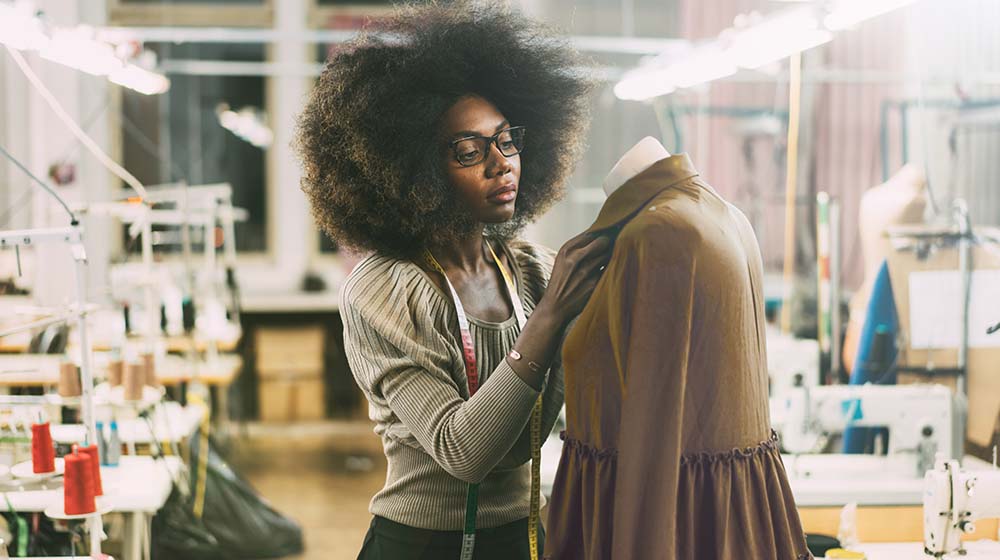
Tomorrow’s fashion – made by today’s innovation.
Tomorrow’s fashion cannot be produced using yesterday’s ideas. That is why we aim to use better and innovative materials; safe production processes with lower environmental impacts using for example green energy at the production sites of suppliers; and circular products. For us, the highest quality and ecological and social standards go hand-in-hand.
To meet the demands posed by the times we live in, fashion must not only be characterized by high-quality, but also by responsibility. This is why we also select the materials for our products in accordance with environmental compatibility and animal welfare, which means that we use for example materials from regenerative agriculture and are in close contact with animal welfare organizations. Additionally, we develop new materials through strategic partnerships with innovative companies and start-ups for tomorrow’s fashion trends. An example is Novapoly, a yarn made from recycled textile waste, developed together with Jiaren Chemical Recycling and NBC LLC. Collaborations like this are crucial to reach our target of shifting to 100% Polyester & Polyamide from preferred sources* by 2030. (*According to the HUGO BOSS material strategy)
We also work closely with recognized international initiatives in order to reach our sustainability goals. These include the Leather Working Group (LWG) or NGOs such as People for the Ethical Treatment of Animals (PETA) and 4 Paws.
As we use materials of animal origin, such as wool and leather, in many of our products, animal welfare is very important for us. For example, for years now, we have only used specific types of leather that are by-products of the food industry and ensure that the down we use is not obtained through live plucking and force-feeding.
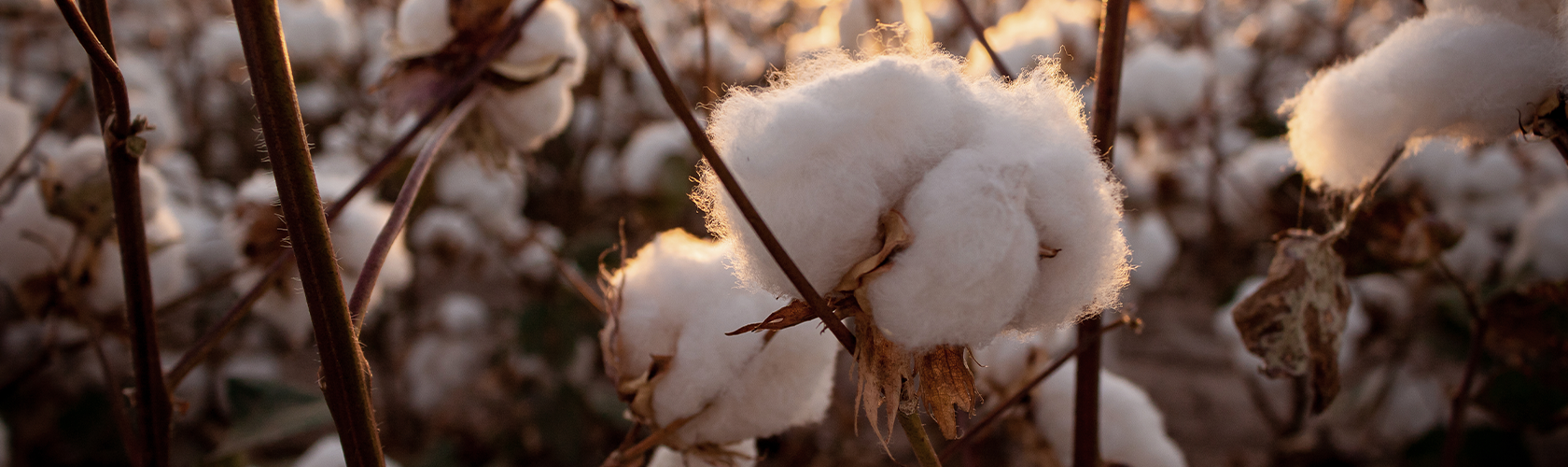
Whether it’s wool or cotton, the source of fashion is intrinsically connected with nature. Our choice of materials determines the impact we have on the planet and our goal is to reduce this impact. Regenerative agriculture is a particularly promising method to achieve this goal since it can help to protect soil and biodiversity. We have scrutinized our supply chain in this regard and are working with partners investing in this area such as ZQRX or Raddis®Cotton. Together with our partners, we aim to ensure biodiversity and soil health by sourcing 100% of our main natural materials from preferred sources* (*According to the HUGO BOSS material strategy).

We're making a difference one piece at a time, using future-friendly processes which conserve valuable resources like water and energy in order to reduce the environmental impact of our products.
Our more sustainable products which are part of our WE CARE initiative are a key element on our path to more sustainability:
They comprise at least 80% better raw materials based on recognized sustainability standards - additionally, meet environmental as well as social standards in processing. The more sustainable styles are recognizable via dedicated hangtags.


The sustainability of a product starts with design, but does not end with sale. How long does the clothing remain wearable? Is the quality so good that the product could continue to make wearers happy a second, third, or fourth time? How can the materials be reused and processed afterwards to create new fashion?
For us, service life and recycling are important factors in completing material cycles and conserving resources. Our goal: By 2030, 80% of our apparel products will be designed for circularity.
Our designers are considering the circular economy even while planning a new collection, and our employees also receive regular training on this subject.

The majority of our finished products – 83% – are manufactured by suppliers from all over the world. We know them very well, and have been working with our strategic Tier 1 suppliers in the spirit of mutual trust for 11 years on average. Together, we ensure the high quality for our products and have implemented long-term measures to improve working conditions and production processes on-site. The remaining goods (17%) come from our own HUGO BOSS factories in Germany, Turkey, Italy, Switzerland and Poland.
Whoever wishes to partner with HUGO BOSS has to go undergo a strict selection process with detailed questions regarding social, environmental and governance (ESG) aspects, ESG training and the submission of relevant questionnaires and documents. We have stipulated all our standards in the Supplier Code of Conduct, which is a binding document for our suppliers. To ensure compliance with this document, we conduct regular checks and support our suppliers with further development activities.

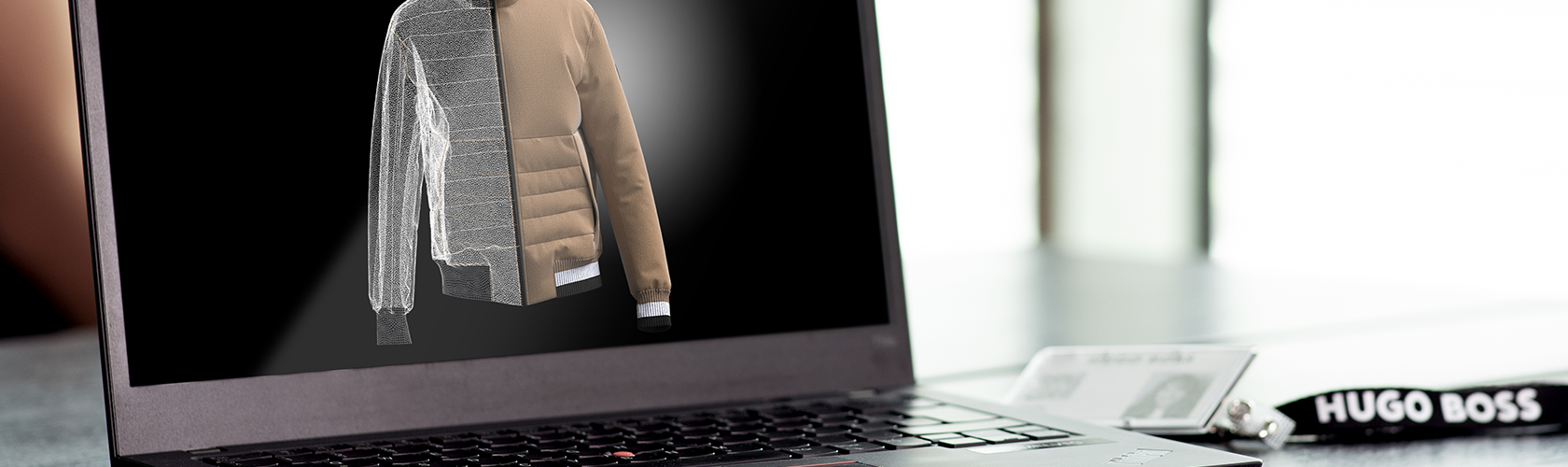
Transparency is a core value at HUGO BOSS and an essential part of our sustainability commitment. We strive to communicate our sustainability efforts to stakeholders as clearly and accessibly as possible by providing insight into the different processing stages of our products and the raw materials used. In our stores, specific hangtags on products highlight more sustainable materials. In line with legal requirements, we also provide traceability information in our online store and on our corporate website. To further enhance transparency, we are currently rolling out a traceability solution that will enable upstream traceability of all our products.
As a milestone, in 2024, HUGO BOSS established a dedicated Traceability team and introduced the TrusTrace platform to systematically collect traceability data from our suppliers. To date, suppliers representing over 80% of our business volume have been successfully onboarded. Through full integration with our ERP system, we ensure the continuous collection of traceability information for all styles produced by these suppliers, further reinforcing transparency across our supply chain.